
Description
Description
BCAAs consist of three essential amino acids:
- leucine
- isoleucine
- valine
BCAAs form part of the amino acids that are building blocks your body uses to make proteins.
These three amino acids are classified as essential indicating that your body must get them from your diet for the manufacturing of protein. Protein is essential for muscle strength and repair.
BCAA’s represent around 35–40% of all essential amino acids present in your body and 14–18% of those found in your muscles. Unlike other amino acids, they are broken down in the muscle and not in the liver. This could help with energy production in the muscle when exercising.
Suggested Uses
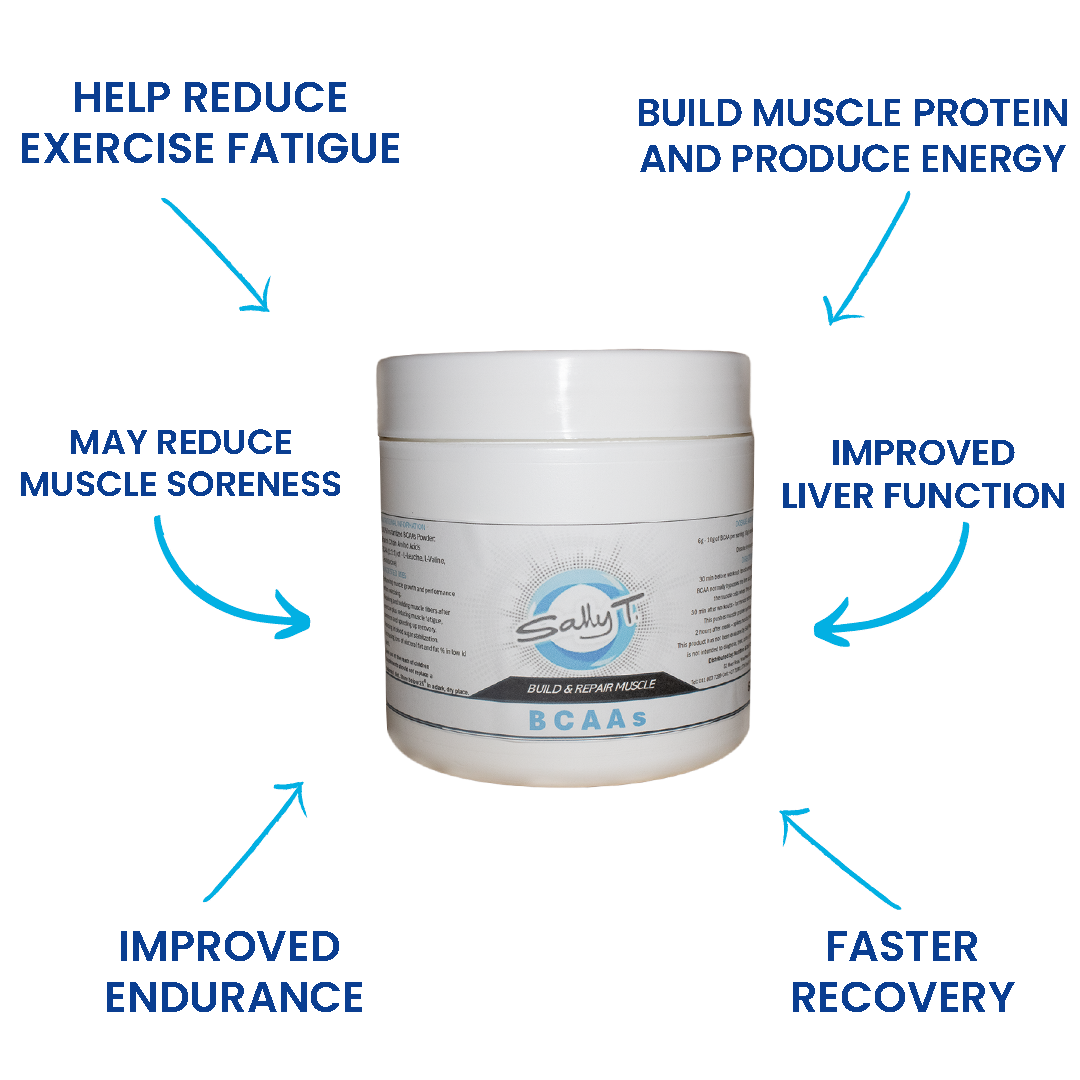
- To build muscle protein and produce energy. They may also influence the brain by reducing fatigue.
- They may help reduce exercise fatigue, in some people.
- Taking them before or after strength training may reduce muscle soreness following a workout. The effect may vary from person to person.
- BCAAs are assimilated from high protein foods or through supplementation and may boost muscle growth.
- BCAAs have, in some cases, helped stabilise blood sugar.
- BCAAs may help prevent weight gain and enhance weight loss. This is in the context of a high protein low kilojoule diet.
- BCAA supplements may be effective at improving liver function and decreasing the risk of complications in individuals who have liver disease.
Side Effects
Common Side Effects Usually Associated with High Doses:
- Gastrointestinal: Nausea, bloating, gas, stomach discomfort, diarrhoea.
- Neurological: Headaches, reduced coordination, fatigue.
- Mood Changes: Can affect serotonin, potentially leading to mood swings or anxiety in some individuals.
- Sleep Interference: May disrupt sleep if taken too close to bedtime.
Potential Concerns with Excessive Use:
- Blood Sugar: May affect glucose metabolism, raising concerns for diabetics.
- Amino Acid Imbalance: Overconsumption can disrupt the body’s balance of other essential amino acids.
- Kidney Strain: High intake might put extra load on the kidneys, especially with pre-existing conditions.
Contraindications
Consult a doctor before starting to take BCAA in the following cases:
- Individuals with diabetes, kidney disease, or liver issues.
- People taking medications for blood sugar or mood.
- Those with Maple Syrup Urine Disease (MSUD), a rare metabolic disorder.
Pregnancy
Taking BCAA’s during pregnancy is not recommended.
Drug interactions
Branched-Chain Amino Acids (BCAAs) can interact with medications for diabetes, potentially causing dangerously low blood sugar, and Parkinson’s disease, reducing the effectiveness of the medication. Caution is also advised with corticosteroids, thyroid hormones, and even pre-surgery. Consult your doctor before taking BCAA’s if you are on any of these types of medication.
Ingredients:
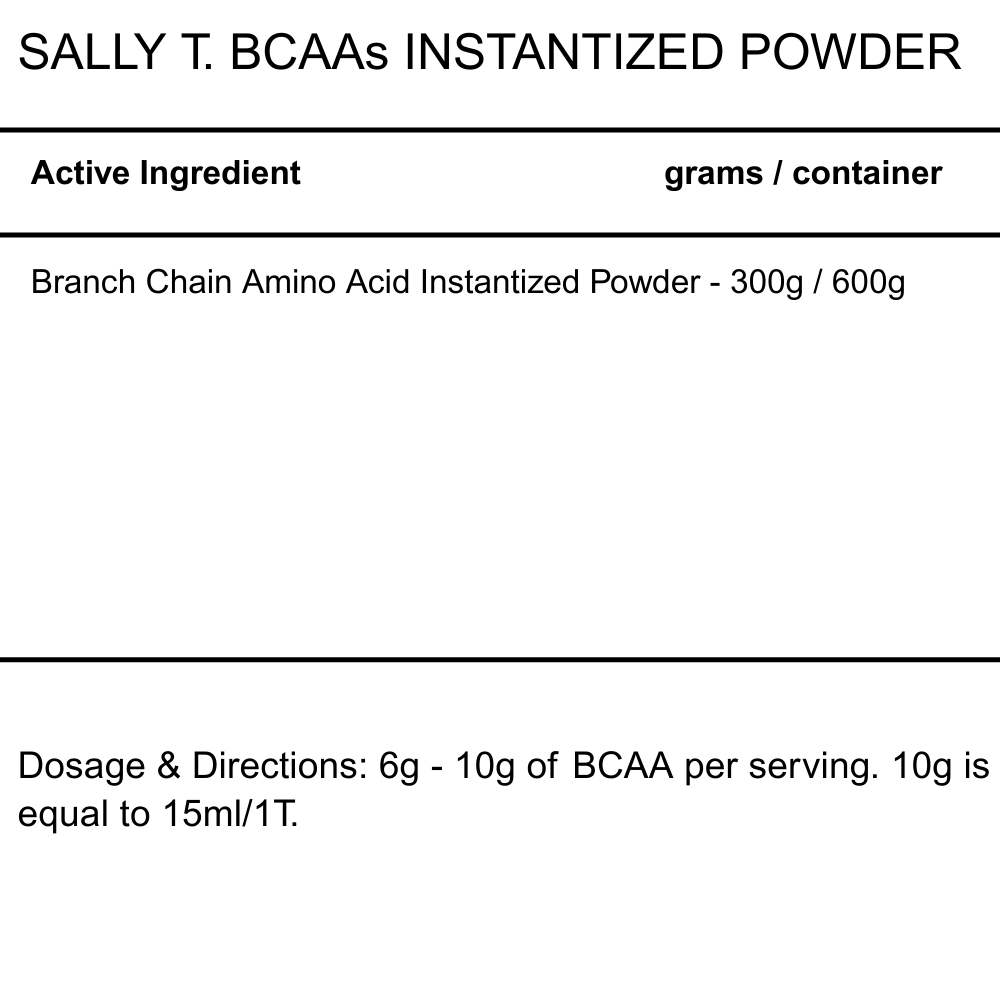
Instantized BCAA (2:1:1) of – L-Leucine, L-Valine, L-isoleucine)
Dosage:
6g – 10g of BCAA per serving
Directions for use:
- 30 min before workout- boosts energy for workouts:
- BCAA normally bypasses the liver and goes directly to the muscle cells where they are used for fuel.
- 30 min after workouts – for muscle recovery and growth
- This pushes muscle protein synthesis and muscle growth
- 2 hours after meals – this spikes muscle protein synthesis
Store in a cool dry place, out of the sight and reach of children. All powders are sensitive to moisture in the air, so keep well sealed once opened.
Warranty:
All Sally T. Products, which are nutritional are non-returnable.
Do not exceed recommended dosages unless on the advice of a healthcare provider.
Do not use this product if you are allergic to any of the ingredients.
If you are pregnant, nursing, taking any medications or have any medical condition, please consult your healthcare practitioner before taking this supplement.
All capsules are Halal & Kosher, but not suitable for vegetarians or vegans.


